
As an Amazon Associate, I earn from qualifying purchases.
My father was a photographer his entire life.
His name was Vitório — a Nissei, son of Japanese immigrants, born in Brazil. Everyone in the region knew him as Vitório do Foto. He had a complete photography studio in Paraná, and photography was not just his profession. It was who he was.
I grew up surrounded by cameras, by the smell of a darkroom, by a man who understood light in a way I wouldn’t appreciate until much later.
I didn’t pay attention. That was my mistake.
A Kodak in Japan
In 1991, at 27 years old, I left Brazil and came to Japan to work.
I brought a simple Kodak film camera with me — nothing special, but it went everywhere I went for years. Japan through a film camera, before I understood what I was looking at.
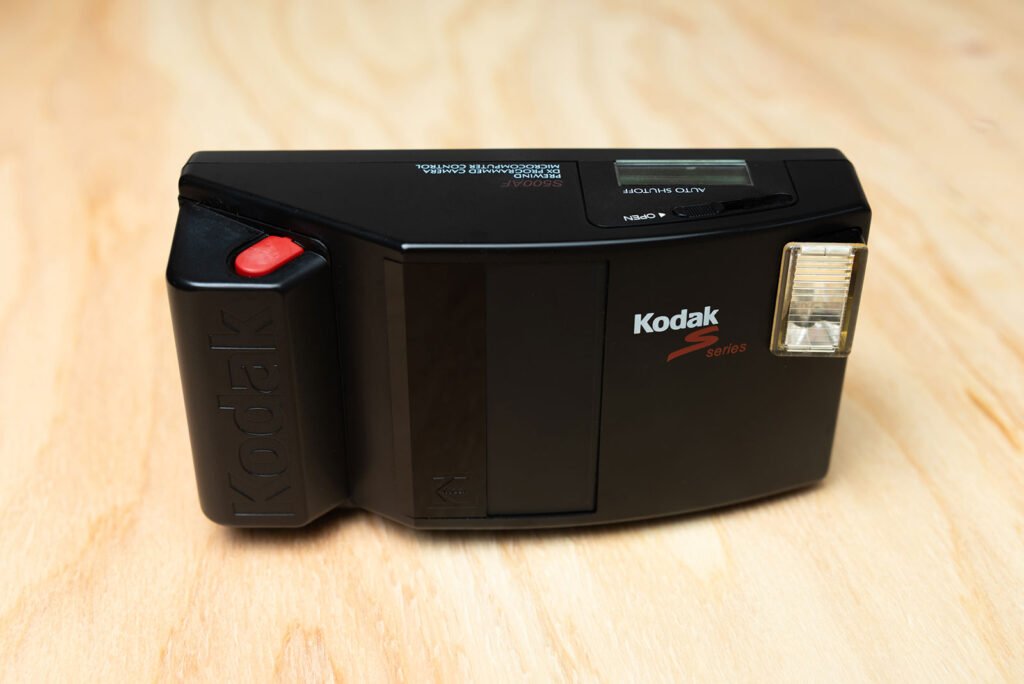
After the Kodak came a used Minolta. Then a Canon IXY Digital — 6 megapixels, which felt extraordinary at the time.
Then a Canon PowerShot G10. Each camera a small step forward, each one teaching me something without me realizing I was being taught.
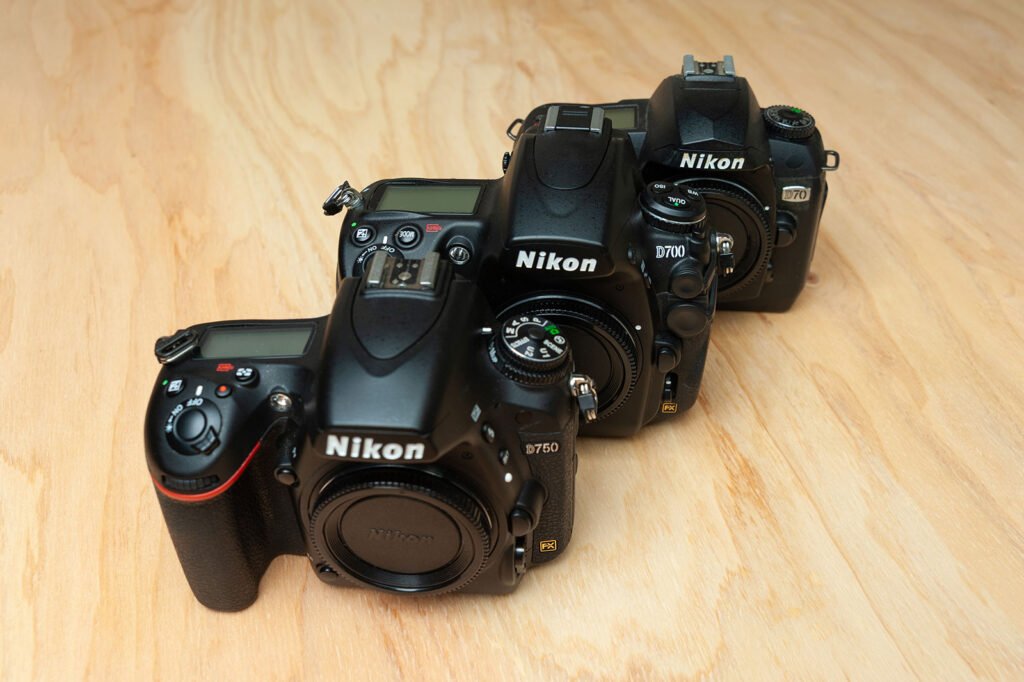
Then came a Nikon D70. My first real DSLR.
The Crisis That Started a Dream
Japan went through a serious economic crisis, and I was out of work for seven months.
It was during those months, with too much time and too many thoughts, that something started to surface. A dream I hadn’t named yet: to live from photography.
I enrolled in a basic Saturday course in Nagoya. Every weekend I drove my small Kei car from Fuji — 219 kilometers each way — for about three months. It was a beginner course, nothing advanced. But it was the first time I was choosing photography deliberately, not just carrying a camera around.
Shortly after, I bought a Nikon D700. My father’s territory, finally.
What I Shoot With Today
The D700 eventually gave way to a Nikon D750, bought used.
That’s what I still use today — a full-frame DSLR that I trust completely.
It’s heavy, it draws attention when I carry it, but it produces images I’m proud of.
I’m 62 now. And I understand something I couldn’t understand as a child standing in my father’s studio in Paraná: I had the best photography teacher I could have asked for, right there beside me.
Vitório was not only an excellent photographer.
He was an excellent father, an excellent husband, and a remarkable human being.
I didn’t recognize it then. I recognize it now.
Why I’m Looking at the Z50 II
The D750 is not going anywhere. But it’s a big camera. It announces itself. When I’m walking slowly through a quiet place in Japan, looking for something worth photographing, a large DSLR changes the energy of a moment.
The Z50 II is different.
Small, light, quiet. A camera that stays close without getting in the way.
That’s what I’m looking for next. Not more features. Less friction.
The Three Versions
The Z50 II comes in three configurations. Which one makes sense depends on where you are in your photography and what you already have.
Nikon Z50 II with Wide-Angle Zoom Lens — 16-50mm Kit
The most practical starting point. The 16-50mm lens covers a wide range of everyday situations — street, travel, landscape, interiors — and keeps the whole setup light and compact.
If you’re not sure where to begin, this is the one.
See on Amazon
Nikon Z50 II Body Only
If you already have Z-mount lenses, or want to choose your own glass separately, this is the most affordable way into the Z50 II system.
Also worth considering if you’re upgrading from another Nikon mirrorless body.
See on Amazon
Nikon Z50 II with Two Lenses
The most complete option. Two lenses covering a wide range of focal lengths, ready to use from day one.
A good choice if you’re starting from scratch and want everything in one purchase without having to research lenses separately.
See on Amazon
A Note on Switching Systems
Coming from a D750, the move to mirrorless is not simple. The lenses don’t transfer directly — you’d need an adapter or new Z-mount glass. That’s part of why I haven’t made the jump yet.
But for someone starting fresh, or coming from a smartphone, the Z50 II makes a lot of sense. Approachable without being limiting.
My experience is mostly practical — years of shooting, a basic course driven across 219 kilometers every Saturday, and a lifetime of images in my memory that I wish I had paid more attention to when they were being made right in front of me.
The camera is just the beginning.